
Why decolonise?
When you think of yoga, what image comes to mind?
A bendy, flexible, thin white woman?
A room full of bodies doing handstands, headstands, arm balances, splits, or legs behind the head?
A heteronormative, predominantly white, individualistic community?
An unaffordable €15–€25 class?
“Love, light and good vibes only”?
A class led by a white person, most often a white woman?
A military style environment where there is little space for your autonomy, agency or lived experience?
A fast, body focused practice?
Do you feel you belong?
How does that image make you feel?
Do you feel welcomed?
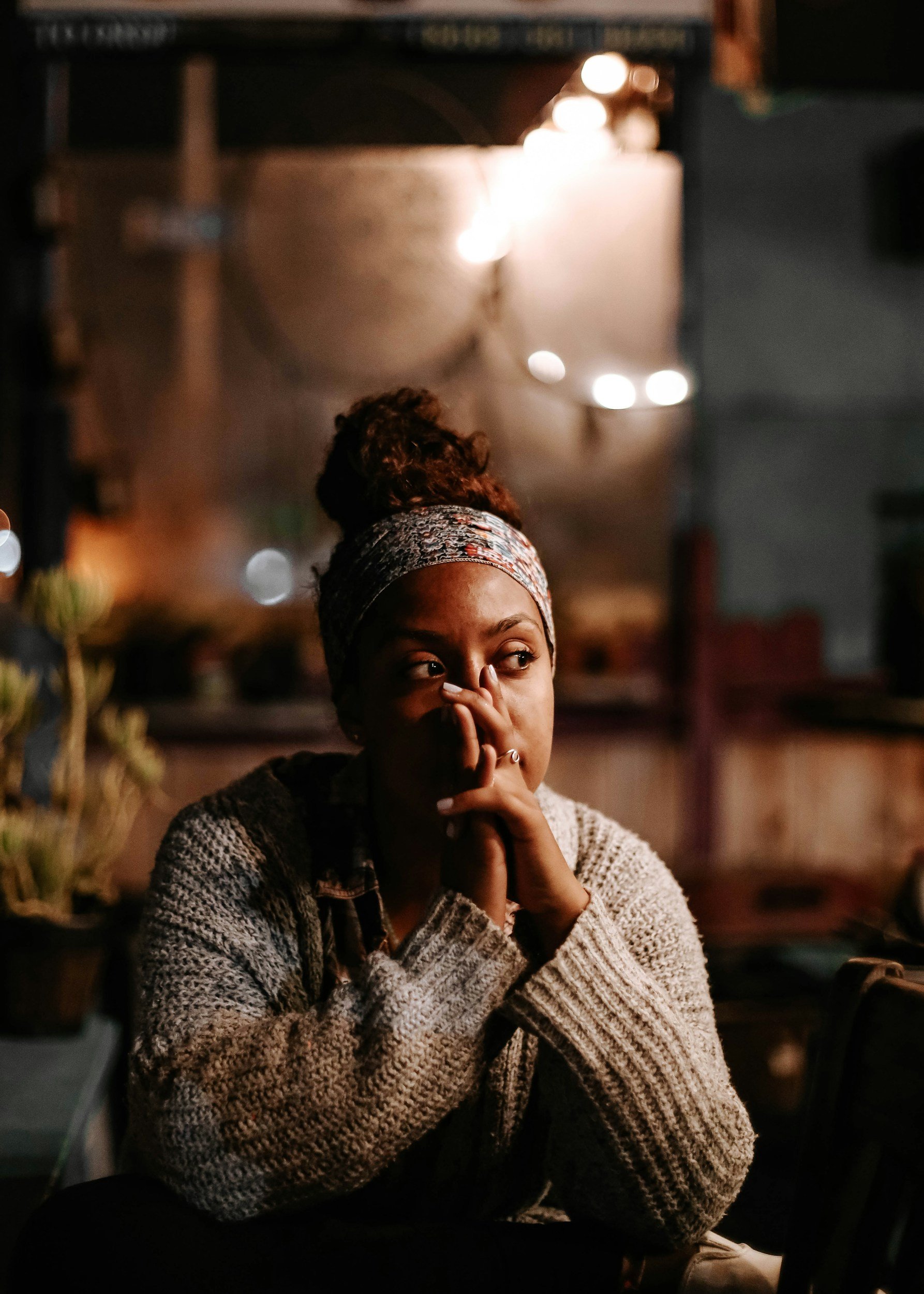
Do you feel that yoga is for you?
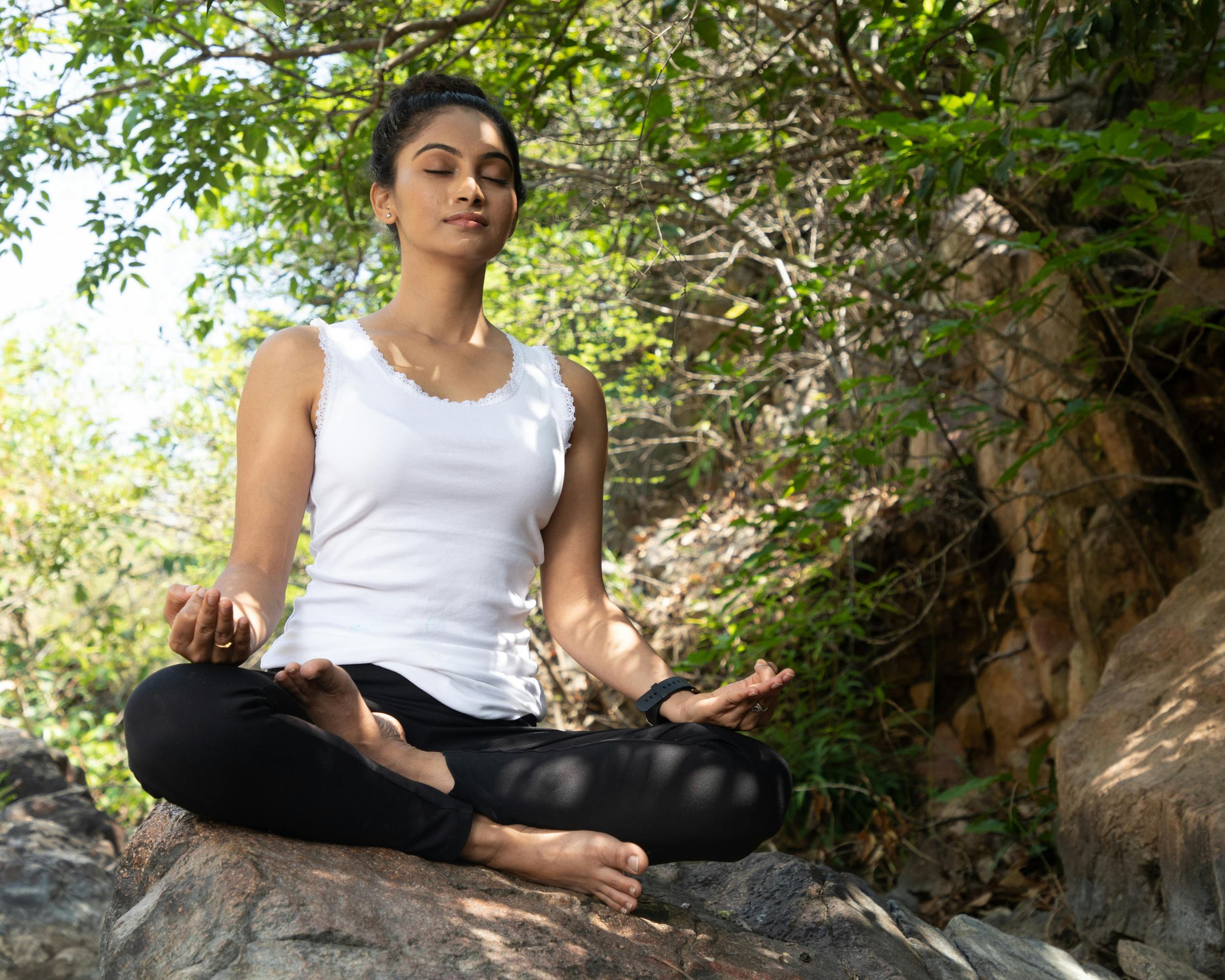
For many folks, the answer is no.
Yoga has been modernised, colonised, commercialised and commodified. In many mainstream spaces, it has been stripped of its philosophy, context and purpose, and reduced to a physical practice - often with only one narrow kind of physical practice.
That version of yoga centres flexibility, performance, competition, aesthetics, productivity and a very particular body: young, thin, white, able-bodied, cisgender and affluent.
But yoga was never meant to be about going deeper into a shape, lifting a leg higher or deciding who gets to stand on their head.
Yoga originates from the Indus Valley, today known as India. It's a wisdom tradition of South Asian ancestry that has been practised for over 5,000 years.
T H E PURPOSE
At its heart, yoga is an inward journey towards liberation.
It invites us to notice the conditionings of the mind: the stories and illusions that have been imposed on us and that tell us we are not good enough, not capable, not worthy or less than someone else. These stories are shaped by patriarchy, white supremacy, racism, homophobia, transphobia, sexism, ageism, ableism and fatphobia. They shape how we relate to ourselves, to each other and to the world.
Yoga offers us a way to begin seeing these conditionings - and, slowly, to loosen their grip. As we do this inner work, we can begin to live differently through our thoughts, words and actions. Liberation has always centered collectiveness. As we free ourselves internally, we become more able to act in ways that support the liberation of other humans and of all life.
Back to liberation
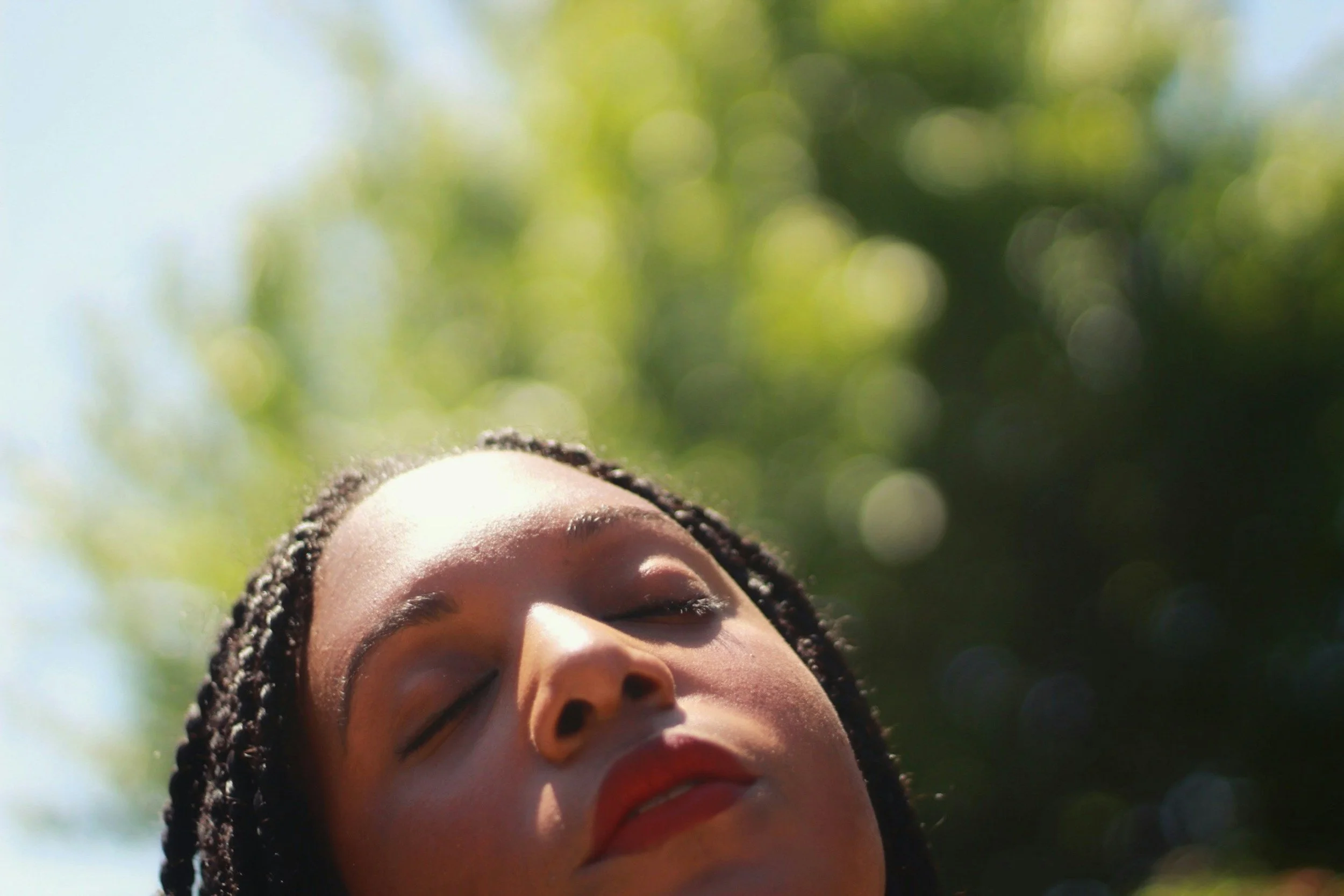
Yoga is more than postures
T H E EXPERIENCE
Yoga can be practised through

Breath
Use breath to move the live force energy praṇa - prāṇāyāma.
Mantrā
Chanting sacred sound, word, syllable or phrase repeated to help focus the mind.
Mudrā
Holding a sacred, symbolic gesture or pose to cultivate or pacify certain qualities
Yantrā
Using yantra as visual tool, device or an instrument to focus the mind during meditation.
Study
Learning, practising self -inquiry to understanding the workings of the mind.
Action
Acting for others without expecting anything in return.
Service
Service and devotion to community, family or a cause
Guidelines
Practice of moral, personal and ethical guidelines - yamas & niyamas.
And in many more ways.
Physical practice can be part of this, but it is not gymnastics. It can be a moving meditation: a way of working with the body in whatever way is accessible and meaningful for you, so that the mind can become present and the deeper journey of liberation can begin.
T H E ACCESS
Financial access is part of decolonising
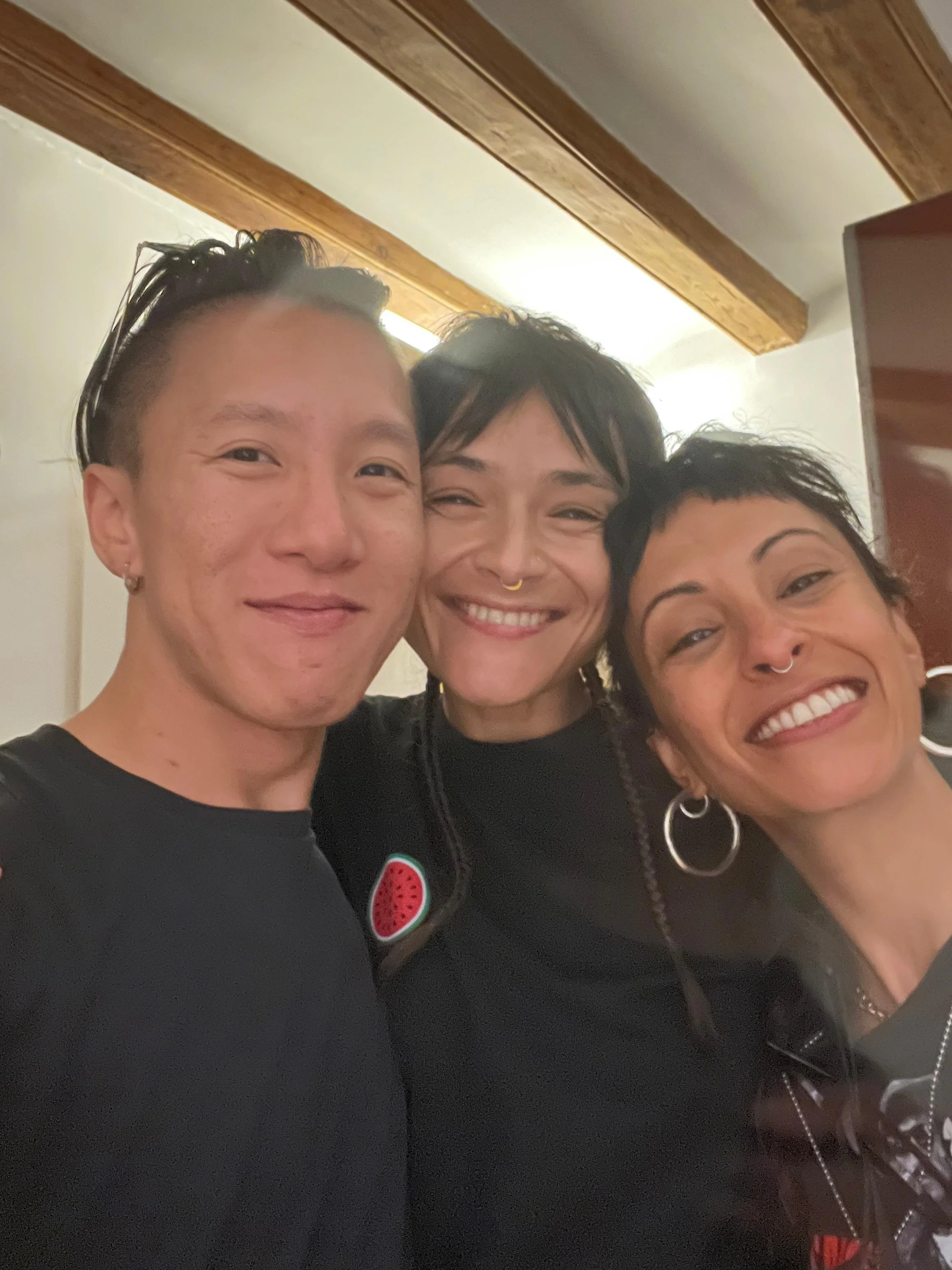
Decolonising yoga also means naming the financial barriers that keep many people out.
Yoga should not be a luxury available only to those who can regularly afford €15–€25 per class, expensive memberships, retreats or teacher trainings. When cost determines who can practise, yoga becomes another space shaped by class/caste privilege - even while it claims to be “for everyone.”
Financial inaccessibility is part of colonisation. Capitalism turns yoga into a product, wellness into a lifestyle and access into something people must purchase. This excludes low-income people, disabled folks, carers, students, migrants, elders, and many people from Global Majority, queer, trans and non-binary communities who are already disproportionately affected by economic inequality.
A decolonised approach centres financial access as a justice issue. It creates multiple ways to participate, offers fair and transparent pricing, funds scholarships and redistributes resources so that people who have been excluded from wellness spaces can access them without shame or compromise.
What does decolonising yoga mean?
G E T CURIOUS
It means honouring its South Asian roots, destigmatising yoga and reclaiming it as a practice of collective liberation.
It means means bringing the practice back to its roots, essence and purpose.
It means remembering our deep interconnection - with each other, with the more than human world, and with the systems we have built and inherited.
It means recognising that yoga can be practised by anyone, in any body, anywhere and at any point in life.
It means centring social justice and intersectional equity, because yoga recognises that our lives are interconnected, that we are all of the same source (Kallie Schut).
It means to recognise that our realities are human-made. We therefore share a responsibility to do the inner work needed to dismantle what we have created.
And yoga is also about joy.
Joy is not an escape from reality. It is a force of resilience. It nourishes us, connects us through laughter and compassion and reminds us that every life is valuable.
Decolonising yoga means making space for all of this: liberation, justice, access, rest, community, complexity and joy.